
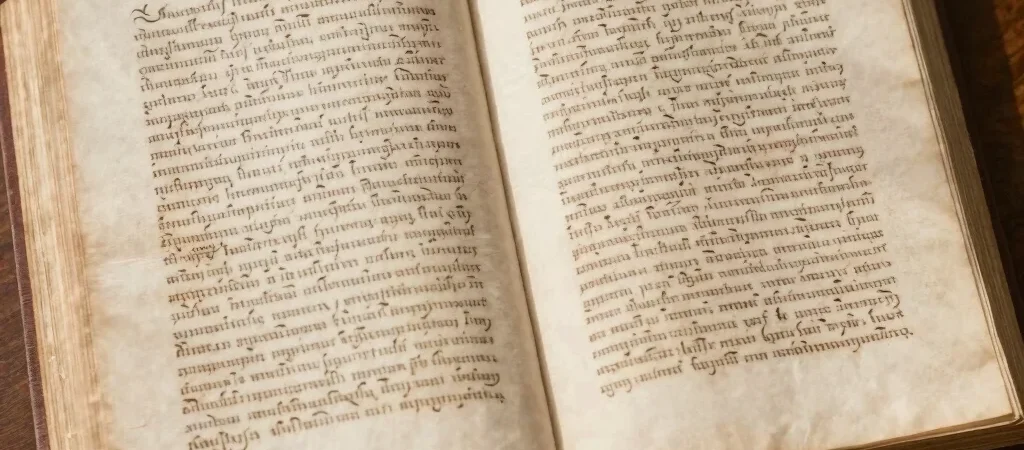
Opening a historical novel often feels like stepping into a carefully preserved room where every object holds a memory. The tension between historical accuracy and narrative drive is where the true craft of fiction resides. When an author strikes that delicate balance, historical detail transforms from mere setting into an engine of story.
Balancing Historical Detail with Narrative Momentum
Extensive archival research is vital for establishing authenticity, yet excessive detail can stall a novel's emotional arc. Masterful writers select precise sensory anchors—the specific grain of parchment, the scent of coal smoke in winter—to evoke an era without encumbering the prose. This selective density keeps the reader anchored in the physical reality of the scene while allowing character motivations to drive the forward momentum.
The Silence Between Historical Documents
Where primary source documents leave blank spaces, literary imagination finds its fertile ground. The most compelling historical narratives honor what is documented while daring to inhabit the private thoughts left unrecorded. In these quiet gaps between recorded dates and public decrees, novelists construct human intimacy that resonates across centuries.
Constructing Rhythm Across Distant Epochs
Pacing in historical narrative relies heavily on syntax and cadence that reflect the era without becoming archaic. Authors shape sentence structures to mirror the tempo of daily life in the chosen period, whether slow and liturgical or abrupt and modernized. Readers who pay attention to these structural choices will discover how prose rhythm reinforces thematic depth.