
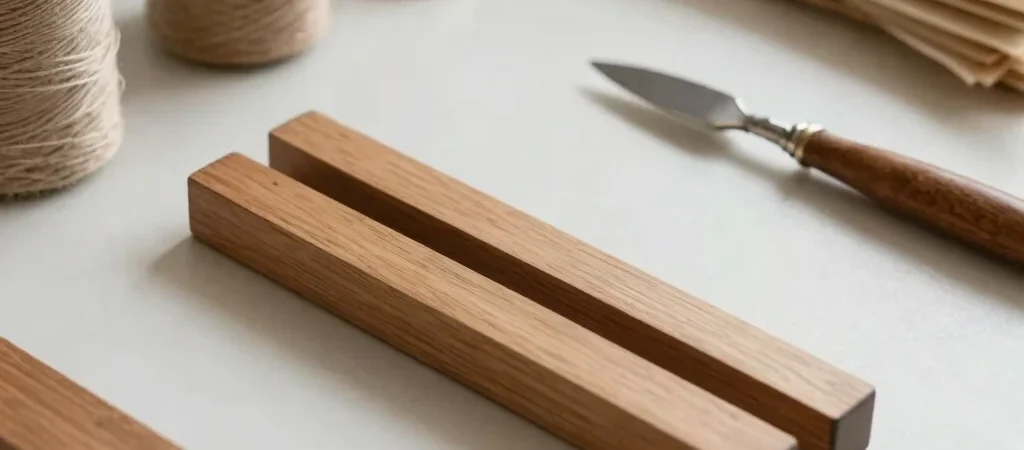
Inside an artisan binding workshop, time moves at the pace of drying paste and hand-pulled linen thread. The physical book is more than a container for language; it is an artifact of tactile design that shapes how we encounter written thought. Understanding the physical craft of bookmaking reveals the deep commitment to permanence inherent in print culture.
The Materiality of the Printed Page
The choice of paper stock, sewing structure, and cloth binding dictates how a volume rests in a reader's hands. Archival bookbinders choose heavy cotton fibers and acid-free papers that withstand centuries of careful leafing. This physical endurance ensures that the author's voice survives long past digital format migrations.
Preserving Voice Through Structural Restoration
Restoring an aged edition requires a sympathetic touch that respects original materials while repairing worn spines and detached leaves. Conservators carefully match vintage thread gauges and tone repair papers with natural pigments. Each restored volume retains the character acquired through decades of reading while securing its future structural integrity.
A Legacy Formed by Hand
When we hold a hand-bound edition, we participate in an unbroken lineage of physical craft stretching back through centuries. Taking time to admire the headband, spine gilding, and board feel deepens our appreciation for literary art. The next time you open a well-bound book, consider the quiet hands that crafted its longevity.